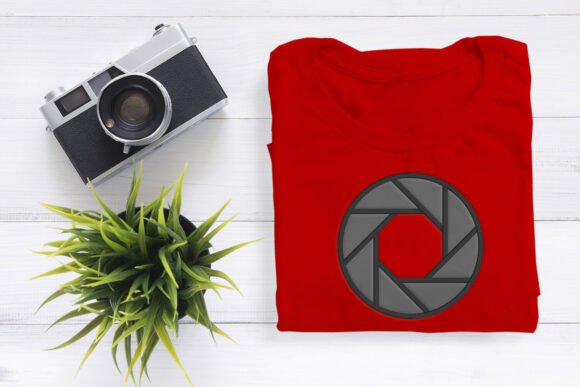
Review: Camera Aperture Applique Embroidery for Craft Fairs
As an embroidery designer who has spent countless weekends behind a booth table, I know that the difference between a browsing customer and a buying customer often comes down to visual impact. When I first pulled up the Camera Aperture Applique Embroidery file on my screen, my immediate thought was about clarity and niche appeal. This is not just another floral motif; it is a targeted design for photography lovers, shutterbugs, and creative professionals. In the world of handmade product sales, specificity sells. Let’s break down how this design performs in a real-world retail environment.
First Impressions and Aesthetic Appeal
The aesthetic of this design leans heavily into modern minimalism with a touch of technical charm. The aperture shape is instantly recognizable to anyone who has held a DSLR or mirrorless camera. It feels bold yet clean, avoiding the clutter that can sometimes plague complex embroidery patterns. For a craft fair seller, this is crucial. Your booth needs to communicate its theme within three seconds. A design like this signals "photographer gift" immediately, helping you capture the attention of a specific demographic walking past your table.
While the product category might be listed under broad terms like Games or general Embroidery, the actual vibe is professional and hobbyist-focused. It does not scream "farmhouse rustic" or "frilly cute." Instead, it offers a sleek, contemporary look that pairs beautifully with neutral tones, denim, and canvas materials. This versatility makes it a strong candidate for a wide range of craft fair products.
Product Applications That Sell
When planning my inventory for a weekend market, I always look for designs that translate well across multiple substrates. Here is where the Camera Aperture Applique Embroidery shines:
- Tote Bags: This is arguably the best application. A large canvas tote with a centered aperture applique becomes an instant statement piece for photographers carrying lenses and gear. The tote bag design potential is high because the flat surface allows the applique fabric to lay perfectly smooth.
- Aprons: For the photographer who also loves to cook, or perhaps a darkroom enthusiast, an apron with this motif adds a layer of personality. The apron embroidery works well if placed on the bib or the lower skirt, depending on the size chosen from the included formats.
- Tea Towels: A set of kitchen towels with small aperture accents makes for an affordable add-on item. Tea towel embroidery requires careful attention to stabilizer choice, but the result is a high-perceived-value gift item.
- Embroidered Patches: If you offer custom patches, this design is ideal. It can be stitched out on twill, cut, and sold as a standalone accessory for camera bags or backpacks.
Beyond these, consider pillow covers for home offices or small pouches for memory cards and lens caps. The design’s geometric nature means it looks intentional and structured, adding to the perceived quality of the finished product.
Production Practicality and File Formats
One of the most reassuring aspects of this purchase is the file compatibility. The zip file includes eight formats: DST, EXP, HUS, JEF, PEC, PES, VP3, and XXX. As an Etsy seller or boutique maker, you likely work with various machines, from Brother to Janome to Bernina. Having this range ensures you are not locked into one ecosystem. The inclusion of six sizes, specifically noting 70 mm and 95 mm dimensions, provides flexibility. You can use the smaller size for hat fronts or pocket accents and the larger size for back-of-shirt statements or large tote panels.
From a production standpoint, applique designs are generally faster to stitch than full-fill satin columns because the machine lays down a placement stitch, you place the fabric, and then it tacks it down. This efficiency is vital for batch production. If you are preparing fifty items for a holiday market, time is money. However, you must account for the extra step of cutting the applique fabric. Ensure your workflow includes precise cutting tools to maintain the crisp lines of the aperture blades.
Careful-Use Notes for Designers
While this design is robust, there are technical considerations to keep in mind to ensure a premium look. Applique designs rely heavily on contrast. If you choose a black applique fabric on a black shirt, the design will vanish. Always test your thread colors and fabric combinations. A bright red or metallic silver applique fabric against a navy or charcoal background creates the pop needed to catch a buyer’s eye from three feet away.
Be mindful of stitch density around the edges of the aperture blades. If the satin stitches are too dense for lightweight fabric, you may experience puckering. Always use a appropriate stabilizer—cut-away for stretchy fabrics like t-shirts and tear-away for stable woven cottons. Additionally, when stitching on textured items like waffle-weave tea towels, ensure the placement stitches are visible enough to align your fabric accurately, or use a temporary spray adhesive to hold the applique piece in place before the tack-down stitch begins.
Curved surfaces, such as baseball caps, require special attention. The 70 mm size might fit better on a standard cap front than the 95 mm version. Always hoop your cap correctly and consider using a cap frame to prevent distortion. If the design loses clarity at smaller sizes, do not force it. It is better to leave white space than to have a muddy, indistinct blob of thread.
Boosting Brand Consistency and Visual Value
Using a cohesive design language helps build your brand. If your shop focuses on hobby-specific gifts, the Camera Aperture Applique Embroidery fits seamlessly into a collection that might include musical note designs for musicians or paintbrush motifs for artists. This consistency makes your booth look curated rather than cluttered.
For online listings, this design photographs exceptionally well. The geometric shapes create natural leading lines in photos. Create a printable mockup or stage a real-life shoot with a vintage camera prop to enhance the storytelling aspect of your Etsy listings. Show the design in context. A photo of the embroidered tote bag sitting next to a lens case tells a story that a plain white background cannot.
Final Designer Recommendations
Before you commit to a large production run, follow these steps:
- Test on Scrap Fabric: Never skip this step. Check for registration issues between the placement stitch and the final satin border.
- Check Hoop Size Compatibility: Confirm that your machine’s hoop can accommodate the largest size included in the digital embroidery file package.
- Review Commercial Licensing: While most designers allow finished product sales, always double-check the specific license terms provided with the download to ensure you are compliant as a small shop product creator.
- Create Real Mockups: Stitch one sample on each type of product you intend to sell. Compare how the fabric texture affects the final look.
In conclusion, the Camera Aperture Applique Embroidery is a strong contender for any maker targeting the photography niche. It balances aesthetic appeal with production efficiency, offering a professional look that elevates simple goods into desirable commercial embroidery products. With careful attention to fabric contrast and stabilizer choice, this design can become a staple in your craft fair lineup, driving engagement and sales through its clear, modern, and relatable imagery.