Review: Border Collection Embroidery Design for Craft Fairs
As an embroidery designer who has spent countless weekends behind a booth table, I know that the difference between a browser and a buyer often comes down to visual impact. When I first loaded the Border Collection Embroidery Design into my digitizing software, my immediate thought was not just about stitch quality, but about marketability. This is not just another floral motif; it is a strategic asset for any small shop product line. The description promises a refined touch, and in the high-stakes environment of a handmade market, refinement sells.
First Impressions: Elegance Meets Versatility
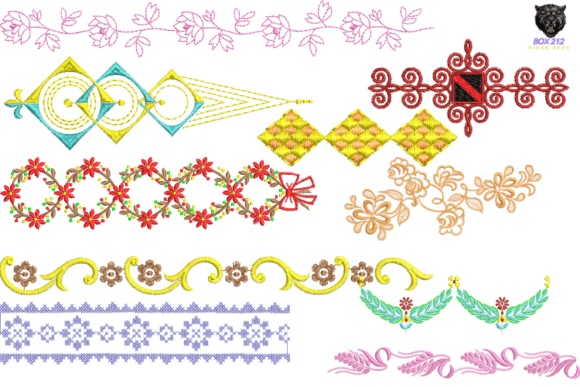
The initial preview of this machine embroidery design set suggests a mood that is distinctly elegant and decorative. Unlike bold, cartoonish graphics that might limit your audience to children’s items, these borders offer a sophisticated aesthetic that appeals to a broader demographic. Whether you are aiming for a farmhouse vibe, a modern minimal look, or a classic rustic feel, the variety within the collection allows for significant flexibility. For a craft fair seller, this versatility is crucial. You do not want to be stuck with fifty unsold items because the design only worked on one specific type of fabric.
The floral elements mentioned in the product description are crafted with a balance that suggests they will lay flat without excessive puckering, provided you use the correct stabilizer. This is a critical detail for anyone producing a handmade product at scale. If the design feels too dense or the details are too tiny, it becomes a production nightmare. However, this collection appears to strike a balance between intricate beauty and practical producibility.
Product Applications: Where This Design Shines
To truly evaluate the Border Collection Embroidery Design, we must imagine it on actual goods. Here is how I see these borders performing across different categories:
- Tote Bag Design: This is perhaps the strongest application. A border running along the top hem or the bottom edge of a canvas tote creates an instant upgrade from a generic bag to a boutique item. It frames the space perfectly without overwhelming the utility of the bag.
- Apron Embroidery: Placing a floral border along the bib or the pocket edge adds a professional finish. It transforms a simple utility item into a giftable piece for home cooks and bakers.
- Tea Towel Embroidery: Kitchen linens are staple sellers at craft fairs. A delicate border on the short ends of a tea towel looks expensive and thoughtful. It is a small detail that significantly increases perceived value.
- Embroidered Patch: If the design scales well, creating iron-on patches allows customers to customize their own denim jackets or backpacks. This expands your inventory without requiring you to embroider every single final garment.
- Pillow Covers and Pouches: Using the border as a frame for a central monogram or leaving it as a standalone decorative edge on pillow shams creates a cohesive look for home decor bundles.
Production Practicality for the Busy Maker
When preparing for a weekend craft fair, time is your most valuable resource. A digital embroidery file must be reliable. One of the key advantages of this collection is its potential for batch production. Because borders are often linear or repetitive, they can be hooped efficiently. However, you must pay attention to the hoop size requirements. Ensure that your machine can accommodate the length of the border designs you choose to use. If a design requires re-hooping to complete a long border on a tote bag, calculate that extra time into your pricing.
Photography is another major factor. These borders photograph exceptionally well for online listings. The linear nature of a border creates clean lines in photos, which helps your Etsy seller profile look curated and professional. When creating a printable mockup or digital listing image, the border acts as a natural frame, drawing the eye to the center of the product. This visual appeal translates directly to higher click-through rates and better buyer engagement.
Careful-Use Notes and Technical Considerations
While the Border Collection Embroidery Design is promising, there are technical pitfalls to avoid. Always check the stitch density before running a full batch. Dense stitch areas can cause fabric distortion, especially on lighter materials like voile or thin cotton. If you are working with textured towels, ensure the design has enough open space so the texture of the fabric still shows through, adding to the tactile quality of the finished product.
Be cautious with curved surfaces. Applying a straight border design to a curved cap surface requires careful placement and possibly slight digitizing adjustments to prevent gaping. Similarly, if you are using dark fabric, verify that the recommended thread colors provide enough contrast. A low-contrast design may look muddy from a distance, losing the "refined" effect that is its main selling point.
Strategic Advice for Commercial Success
For those using this as a commercial embroidery asset, consistency is key. Use the same border style across a entire product line—totes, aprons, and towels—to create a recognizable brand identity. This strengthens your booth display strength, making your table look cohesive rather than cluttered. Customers are more likely to trust a brand that looks intentional.
Before you list these items for sale, take these practical steps:
- Test on Scrap Fabric: Never run a new design on your final product first. Test on the exact same weight and type of fabric you intend to sell.
- Check Thread Contrast: View your test stitch-out from five feet away. Does it pop? If not, adjust your thread palette.
- Confirm Licensing: Always review the license terms included with the design assets. Ensure you have the right to sell finished products made with these files.
- Create Real Mockups: Do not rely solely on digital previews. Photograph the actual stitched item to show true texture and scale.
In conclusion, the Border Collection Embroidery Design is a strong contender for any maker looking to elevate their craft fair product offerings. It balances aesthetic elegance with production practicality. By focusing on high-visibility items like tote bags and kitchen linens, and by paying close attention to technical details like stabilizer choice and fabric texture, you can turn this digital file into a best-selling physical product. It is not just about stitching; it is about creating value that customers can see and feel.