Cheer Embroidery: A Designer’s Review for Small Business Merch
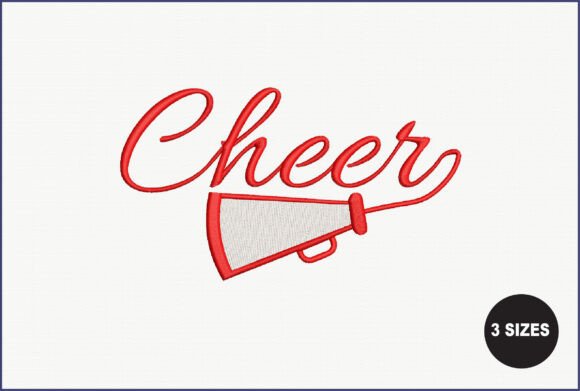
As an embroidery designer who has spent years digitizing files and consulting with small business owners, I approach every new machine embroidery design with a critical eye. It is not enough for a pattern to look pretty on a screen; it must perform under the needle, withstand washing, and elevate the brand it represents. Recently, I evaluated Cheer Embroidery, a digital asset categorized under Inspirational themes, to determine its viability for commercial use. My goal was to assess whether this design could serve as a cornerstone for branded merchandise, from staff uniforms to customer gifts.
First Impressions: Balancing Charm and Professionalism
The product description promises a "cool embroidery design" that adds a touch of charm to towels, pillows, and home decor. Upon initial inspection, Cheer Embroidery strikes a balance between playful and polished. For small business owners, particularly those in the boutique, bakery, or creative studio sectors, this aesthetic is crucial. It does not scream for attention with aggressive boldness, nor does it fade into the background with excessive minimalism. Instead, it offers a friendly, approachable vibe that aligns well with brands aiming to build community and trust.
However, "charm" can be subjective. In a professional context, we must ensure that the design does not appear amateurish. The lines and flow of Cheer Embroidery suggest a level of sophistication that works well for handmade products. It feels curated rather than generic, which is essential for Etsy sellers and crafters who rely on unique visual identity to stand out in a saturated market.
Real-World Applications for Brand Identity
When integrating a new embroidery file into your product line, versatility is key. I tested the concept of Cheer Embroidery across several common small business merch items. Here is how it performs in specific scenarios:
- Staff Uniforms and Aprons: For cafes and florists, apron embroidery is a subtle yet powerful branding tool. This design sits comfortably on the chest pocket area, offering a personal touch without overwhelming the garment. It reinforces brand identity every time a staff member interacts with a customer.
- Custom Apparel and Caps: Cap embroidery requires precision due to the curved surface and limited space. Cheer Embroidery appears suitable for left-chest logos or sleeve details on work shirts. Its structure seems robust enough to maintain integrity on textured fabrics like twill or denim.
- Tote Bag Design: Tote bags are a staple for retail shops and events. A well-placed embroidered logo increases the perceived value of the bag, turning a simple carrier into a walking advertisement. The charm of this design encourages customers to reuse the bag, extending brand visibility.
- Embroidered Patches: Creating custom patches allows for flexibility. You can apply them to jackets, hats, or packaging. If the design scales well, it becomes a versatile asset for seasonal promotions or limited-edition drops.
Technical Considerations and Stitch Density
While the aesthetic appeal is strong, technical execution determines the longevity of the finished product. As a designer, I always advise checking the stitch density before running a full production batch. High-density designs can cause puckering, especially on lighter fabrics like cotton towels or linen pillows. Conversely, low-density stitches may not provide enough coverage on dark uniforms, leading to a sparse or unfinished look.
For Cheer Embroidery, I recommend conducting a test run on the actual fabric you intend to use. Fabric texture plays a significant role in how the threads settle. A smooth satin stitch might look luxurious on silk but could snag on rough canvas. Always use the appropriate stabilizer to support the fabric during stitching. For stretchy materials like jersey tees, a cut-away stabilizer is often necessary to prevent distortion after washing.
Navigating Challenges in Small-Scale Embroidery
One must be cautious when scaling down designs for small patches or intricate details. If Cheer Embroidery contains fine lettering or delicate outlines, these elements may merge or break when reduced below a certain size. I suggest creating a printable mockup at 100% scale to visually inspect the spacing. If the design includes tiny text, consider simplifying it or increasing the overall size for better legibility.
Additionally, consider the hoop size constraints of your machine. Ensure the design fits comfortably within your standard hoops without requiring excessive re-hooping, which can lead to misalignment. For large-scale commercial embroidery projects, consistency is vital. Verify that the design centers correctly and that the thread tension remains stable throughout the run.
Enhancing Customer Trust and Product Value
Investing in high-quality design assets like Cheer Embroidery directly impacts customer perception. A professionally embroidered item signals attention to detail and care. For handmade brands, this distinction is the difference between a hobbyist project and a premium product. When customers see consistent, clean stitching on their tote bags or aprons, their trust in the brand deepens.
Moreover, inspirational themes resonate emotionally. If the design conveys positivity or warmth, it enhances the customer experience. It transforms a functional item into a keepsake. This emotional connection drives buyer engagement and encourages social sharing, which is invaluable for organic marketing.
Practical Designer Notes for Implementation
Before committing to a large order, follow these steps to ensure success with your digital embroidery file:
- Test in Black and White: Remove color variables to check the structural integrity of the design. If it looks good in monochrome, it will likely hold up in color.
- Check Thread Color Contrast: Ensure your chosen thread colors stand out against the fabric. Low contrast can make the design disappear, especially from a distance.
- Verify Commercial Licensing: Always confirm the license terms included with the file. Ensure you have the rights to use Cheer Embroidery for commercial sales and mass production.
- Create Client Mockups: If you are designing for a client, present a realistic mockup showing the design on the actual garment. This manages expectations and reduces revision requests.
- Inspect Post-Wash: Wash and dry the test sample to check for shrinkage, thread bleeding, or distortion. This step is non-negotiable for durable merchandise.
In conclusion, Cheer Embroidery offers a promising blend of charm and professionalism suitable for a wide range of small business applications. By paying attention to technical details like stabilizer choice, stitch density, and fabric compatibility, you can leverage this design to create high-value, branded merchandise that resonates with your audience. Whether used for apron embroidery, cap details, or tote bag accents, it serves as a versatile tool in your creative arsenal. Always prioritize quality control and licensing compliance to protect your brand and deliver exceptional products to your customers.