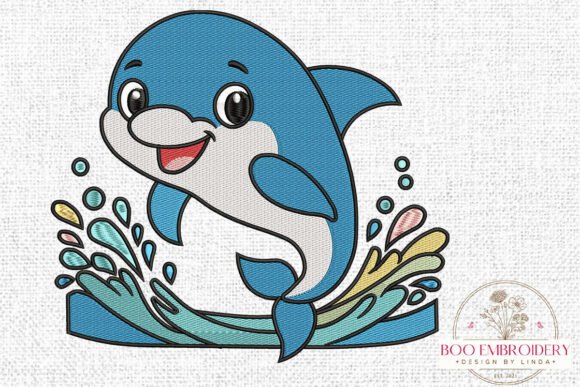
Cute Dolphin Embroidery Design Review for Merch
As an embroidery designer who has spent years digitizing files and consulting with small business owners, I approach every new machine embroidery design with a critical eye. It is not enough for a file to simply look cute on a screen; it must perform under the needle, withstand washing, and elevate the brand it represents. Today, I am reviewing the Cute Dolphin Embroidery Design, a file categorized under Baby Animals, to determine its viability for commercial use in branded merchandise and custom apparel.
The initial impression of this design is undeniably friendly and playful. The description highlights its suitability for Easter Day, suggesting a seasonal appeal, but the aquatic theme offers year-round versatility for coastal boutiques, marine-themed cafes, or family-oriented brands. When evaluating a digital embroidery file for business use, we look for clean lines and balanced spacing. This design appears to prioritize a soft, approachable aesthetic, which can be a powerful tool for businesses aiming to project warmth and accessibility.
Assessing Visual Personality and Brand Fit
The visual personality of the Cute Dolphin Embroidery Design leans heavily into the "handmade" and "playful" categories. For a small business owner, understanding where this fits within your brand identity is crucial. If you run a high-end corporate law firm, this might not be the right fit. However, for a bakery, a pet grooming salon, a children’s boutique, or a beachside souvenir shop, this design hits the mark. It communicates joy and simplicity.
In the context of Baby Animals and Embroidery, this design serves as an excellent asset for creating emotional connections with customers. People are drawn to cute imagery, and when executed well on fabric, it increases perceived value. The key is ensuring that the "cute" factor does not compromise professionalism. A well-digitized cute design looks intentional and premium, whereas a poorly digitized one can look amateurish. Based on the promise of high quality in the product description, this file aims to bridge that gap, offering a polished look suitable for small business merch.
Real-World Applications for Small Businesses
Let us move beyond theory and discuss how this design performs in real-world scenarios. The product description notes that it looks great on shirts, aprons, hats, canvas, and towels. As a designer, I see specific opportunities here for commercial embroidery projects.
- Staff Uniforms and Aprons: For a cafe or ice cream shop, placing this dolphin on the chest pocket of an apron embroidery setup adds a touch of whimsy without being overwhelming. It humanizes the staff and creates a memorable visual cue for customers.
- Custom Apparel and Caps: Cap embroidery requires careful consideration of curvature. This design, if scaled correctly, could work beautifully on the side panel of a baseball cap or the front of a beanie, appealing to a younger demographic or tourists.
- Tote Bags and Canvas Goods: A tote bag design featuring this dolphin can transform a simple utility item into a desirable accessory. The contrast of thread against canvas is usually striking, provided the stitch density is appropriate for the fabric weight.
- Branded Patches: Creating an embroidered patch allows for maximum flexibility. You can produce these in bulk and iron or sew them onto various items, from jackets to backpacks. This is ideal for Etsy sellers who want to offer customizable options without embroidering each individual garment from scratch.
For handmade brands, this design can serve as a signature element. Imagine a line of baby towels or burp cloths where this dolphin is the consistent logo mark. It builds recognition and trust, signaling to the buyer that they are purchasing a cohesive, thoughtfully designed handmade product.
Technical Considerations and Production Notes
While the aesthetic appeal is strong, technical execution is where many small businesses stumble. Before running a full production batch, you must address several practical factors. The product description does not specify exact stitch counts, file formats, or recommended hoop sizes. Therefore, it is imperative that you check these details before purchase.
First, consider stitch density. If the design is too dense, it may cause puckering on lightweight fabrics like t-shirts or towels. Conversely, if it is too sparse, the backing material might show through, especially on darker garments. Always test the embroidery file on a scrap piece of the actual fabric you intend to use. Pay close attention to fabric texture; looped towels require different stabilization than smooth cotton canvas.
Second, evaluate the thread colors. The preview images likely show a specific palette, but you should test the design in black and white first. This helps you understand the contrast and shape definition without the distraction of color. If your brand colors differ from the default threads, ensure the design holds its integrity when digitized in your specific palette. High contrast is essential for visibility, particularly if the design is used as a small logo accent.
Third, think about placement and hoop size. Ensure the design fits within your machine’s capabilities. For smaller items like baby hats or pocket logos, you may need to resize the file. Be cautious when scaling down; intricate details can get lost or cause thread breaks if the elements become too small for the needle to navigate. Always confirm that the design remains legible and clean at the smallest intended size.
Strategic Use for Brand Growth
Using the Cute Dolphin Embroidery Design strategically can enhance your design assets and overall market presence. Consistency is key to building customer trust. If you use this dolphin on your packaging, your social media graphics, and your physical products, you create a unified brand experience. This visual consistency makes your business appear more established and professional.
Consider using this design for customer gifts or event merch. A small embroidered towel or a branded tote bag given away at a local fair can serve as a walking advertisement. The tactile nature of embroidery adds a layer of quality that printed graphics often lack. Customers perceive embroidered items as durable and valuable, which reflects positively on your brand.
However, use caution with certain applications. Avoid placing this design on areas subject to extreme friction or frequent harsh washing unless you have tested its durability. Also, be mindful of curved surfaces like the front of a structured cap; improper hooping can distort the image. Always create a printable mockup or a digital proof for client approval before stitching the final product. This step saves time, materials, and potential disputes.
Final Verdict for Commercial Use
The Cute Dolphin Embroidery Design presents a solid opportunity for small businesses looking to add a friendly, high-quality touch to their merchandise. Its versatility across shirts, aprons, hats, and canvas makes it a valuable addition to any custom apparel library. However, success depends on proper technical preparation. Verify the license terms for commercial use, test the file on your specific equipment, and adjust stabilizers according to your fabric choice.
By treating this file not just as a decorative element but as a strategic branding tool, you can leverage its charm to drive engagement and sales. Whether you are an Etsy seller, a boutique owner, or a corporate gift provider, this design can help you create memorable, tangible connections with your audience. Just remember: always prioritize quality control and consistency to maintain the professional standard your customers expect.