Silly Dad Embroidery, Easter: A Designer’s Review
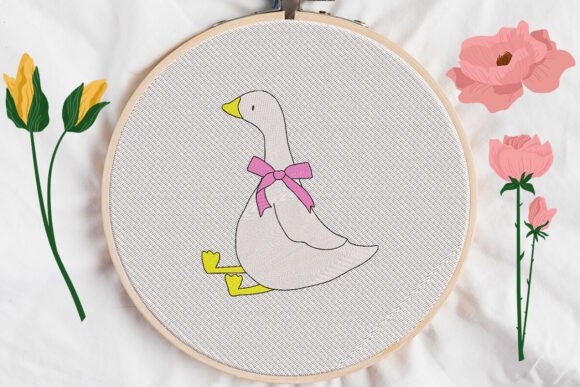
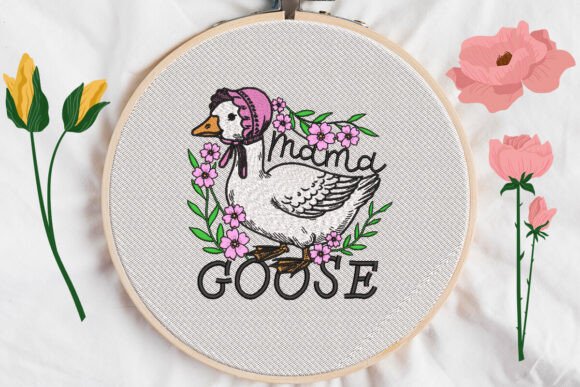
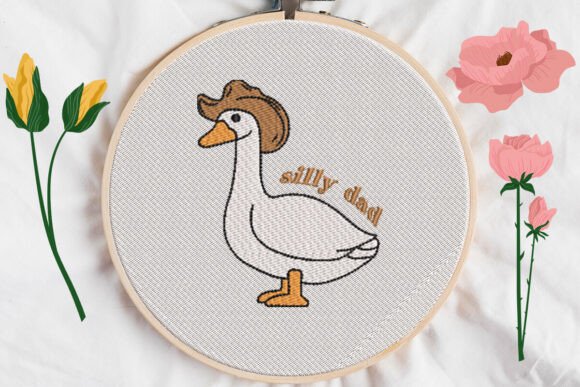
As a designer who has spent countless hours digitizing and stitching out machine embroidery designs, I have developed a keen eye for what works in the real world. It is not just about how a graphic looks on a screen; it is about how those threads interact with fabric, how the tension holds up after washing, and whether the final finished product actually sells or delights the recipient. Recently, I evaluated the Silly Dad Embroidery, Easter design, featuring a funny goose in a cowboy hat with distinct spring flair. This piece caught my attention not because it is overly complex, but because it strikes a difficult balance between humor and stitchability.
First Impressions and Visual Personality
The immediate mood of this design is lighthearted and quirky. In the crowded market of holiday embroidery, we often see an overload of pastel bunnies and generic eggs. This goose character offers a refreshing alternative. The layout is compact yet expressive, relying on strong shapes rather than excessive detail. For an experienced reviewer, this is a good sign. Overly detailed cartoons often turn into muddy messes when stitched at smaller sizes. Here, the visual personality is clear: it is bold, humorous, and perfect for those who appreciate a bit of whimsy in their handmade product lineup.
The theme blends western motifs with spring aesthetics, which is a clever niche. It feels appropriate for a wide range of applications, from a tote bag design for a farmer’s market run to a playful addition on a child’s denim jacket. The simplicity of the goose in a cowboy hat ensures that the design remains legible even from a distance, which is crucial for apparel and larger home decor items.
Real-World Application and Stitching Performance
To truly understand the value of a machine embroidery design, you must imagine it in production. I visualized this design on a few different substrates. First, consider a heavy cotton canvas tote. The bold lines of the goose would stand out beautifully against the textured weave. The fill stitch areas appear dense enough to provide good coverage without being so heavy that they cause puckering, provided you use the correct stabilizer.
Next, I thought about sweatshirt embroidery. This is a popular category for Etsy sellers and small shop owners. The design’s humorous nature makes it an ideal candidate for personalized gifts. Imagine stitching this onto the chest of a heather grey crewneck. The contrast between the soft fabric and the crisp embroidery adds perceived value. However, one must be mindful of the thread colors. Since the design includes Easter flair, likely involving pastels or brights, ensuring high contrast against the garment color is essential. A yellow goose on a white shirt will vanish, whereas the same design on navy or charcoal would pop effectively.
For custom apparel like t-shirts, the design’s footprint seems manageable. It does not appear to span an excessively large area, which reduces the risk of distortion on stretchy fabrics. If you are creating an embroidered patch to sew on later, this design is also a strong contender. Patches require clean edges and defined shapes, and this goose character seems to lend itself well to a merrowed edge or a simple satin stitch border.
Navigating Technical Challenges
While the design is charming, practical application requires caution in specific scenarios. Any digital embroidery file must be tested before committing to client work. If you plan to use this on thin fabric, such as a lightweight linen tea towel or a silky blouse, the stitch density becomes critical. High-density fills can pull and pucker delicate materials. I recommend using a cut-away stabilizer for knits and a tear-away for wovens, but always test on scrap fabric first.
Another consideration is hoop size. While the description notes that multiple formats are available, you must confirm that the design fits your specific hoop without resizing it beyond recommended limits. Resizing a design by more than 10% can distort the stitch angles, leading to thread breaks or poor coverage. If you are working on curved surfaces like caps, ensure the design is centered correctly to avoid visibility issues around the seams. The cowboy hat element adds height to the design, so placement on a cap must be careful to avoid hitting the top button or side seams.
Dark fabrics present another challenge. If the design relies on light thread colors for the goose’s body, stitching on black or dark blue fabric may require an underlay or a backing layer to prevent the fabric color from showing through. This is where checking the applique design options, if available, could be beneficial. Applique can reduce stitch count and eliminate show-through issues, though this specific design appears to be primarily embroidered.
Commercial Viability and Brand Consistency
For craft business owners, the commercial appeal of Silly Dad Embroidery, Easter lies in its versatility. It is not just for Easter; the cowboy theme gives it year-round potential for western-themed events or farm-style decor. This extends the lifespan of your design assets beyond a single holiday season. When creating printable mockup previews for your online store, this design photographs well because of its clear outlines and humorous subject matter. Customers are drawn to personality, and this goose delivers that instantly.
However, professionalism matters. Before listing this as a small shop product, verify the license terms. The description states it comes with multiple file formats and can be used, but always confirm if commercial use is permitted for finished goods. Trust is built on transparency, and ensuring you have the right to sell items made with this embroidery file is non-negotiable. Additionally, check if the design includes running stitch outlines that might need trimming or if the satin stitch elements are optimized for speed without sacrificing quality.
Final Designer Notes
In summary, Silly Dad Embroidery, Easter is a solid addition to any designer’s library. It offers a unique twist on seasonal themes and performs well across various fabrics when handled with care. To get the best results:
- Test the design on similar fabric weights to your final product.
- Check thread color contrast, especially on light or dark backgrounds.
- Confirm hoop size compatibility before starting the job.
- Use appropriate stabilizers to prevent puckering on stretchy or thin materials.
- Review the license agreement to ensure compliance for commercial sales.
This design is more than just a cute graphic; it is a practical tool for creating memorable personalized gift items and standout commercial embroidery pieces. With proper preparation and attention to detail, it can elevate your spring collection and bring a smile to your customers’ faces.