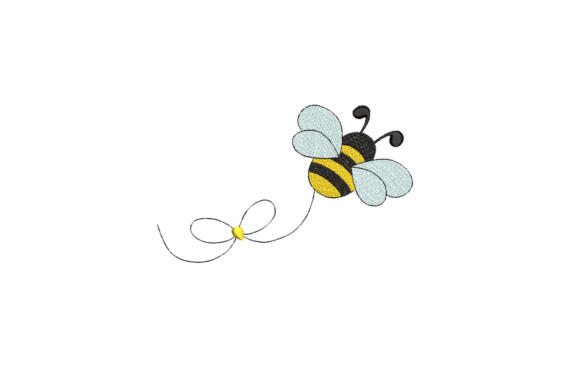
Review: Coquette Bee Embroidery, Bumblebee for Real Projects
As a designer who has spent countless hours hooping fabrics and troubleshooting tension issues, I approach every new machine embroidery design with a mix of curiosity and skepticism. We have all seen those digital previews that look flawless on a screen but turn into a tangled mess of thread breaks and puckering on actual fabric. When I first loaded the Coquette Bee Embroidery, Bumblebee file into my software, I was looking for more than just a cute bug. I wanted to know if this design could hold up in a real-world embroidery project, specifically for clients who demand durability alongside aesthetics.
First Impressions and Visual Personality
The immediate vibe of this design is playful yet refined. The term "coquette" suggests a certain flirtatious charm, and this bee delivers that through its stylized shape rather than hyper-realism. It avoids the stiff, clip-art look that plagues many basic Bugs categories in digital libraries. Instead, it offers a whimsical accent that feels handmade and intentional. For an Etsy seller or a small shop owner, visual appeal is everything. This design does not scream for attention; it invites it. It fits naturally into trends that favor cottagecore aesthetics, spring collections, and gentle nursery themes.
The layout appears balanced, which is crucial for maintaining stitch integrity. When evaluating a new embroidery file, I always check how the elements flow. A disjointed design often leads to unnecessary jumps and trim points, which can weaken the final finished product. This bee seems to prioritize smooth transitions, suggesting that it will stitch out cleanly without excessive thread waste or time-consuming manual trimming.
Real-World Application: The Tote Bag Test
To truly judge a design, you must imagine it on a specific item. I recently prepared a custom order for a local boutique needing a set of canvas tote bag design options. The client wanted something that appealed to young adults but remained sophisticated enough for daily use. I chose the Coquette Bee Embroidery, Bumblebee for a mockup. On heavy cotton canvas, the design’s structure held up well. The interplay of what appears to be satin stitch borders and potential fill stitch bodies created a nice textural contrast against the rough weave of the fabric.
This is where the difference between a hobbyist and a professional becomes clear. A hobbyist might stitch this directly onto a thin shirt and wonder why it puckers. A professional knows that for a custom apparel piece like a sweatshirt or a structured bag, the backing matters. I paired this design with a medium-weight cut-away stabilizer to ensure the bee remained crisp after washing. The result was a handmade product that looked store-bought in its precision but retained that unique, personal touch customers pay extra for.
Versatility Across Product Lines
Beyond tote bags, this design shows promise in several other areas. For baby embroidery, the soft, rounded edges of the bee make it safe and appealing for onesies or burp cloths, provided the stitch density is not too high for delicate skin. In the realm of holiday embroidery, it pairs beautifully with floral motifs for spring gifts or even as a subtle accent on winter knits if stitched in metallic threads. For commercial embroidery projects, such as branded aprons for a bakery or cafe, the bee adds character without overwhelming the brand logo, assuming the color palette is coordinated carefully.
If you are creating an embroidered patch, this design’s compact nature is ideal. Patches require dense stitching to prevent fraying edges, so verifying the underlay and border stitches is essential. The bee’s form factor suggests it would scale down well for small accessories like hair clips or keychains, adding value to low-cost small shop product lines.
Technical Considerations and Fabric Challenges
While the design is charming, it is not without its technical demands. One area requiring caution is the use on stretchy fabrics. If you are attempting sweatshirt embroidery on a lightweight fleece, the pull of the threads can distort the bee’s shape. Always test on scrap fabric first. I recommend using a hoop size that provides ample stability around the design, rather than trying to squeeze it into the smallest possible frame. This prevents the fabric from shifting during the high-speed stitching process.
Dark fabrics present another challenge. The description mentions adding flair to t-shirts and towels, but if you are stitching a light-colored bee on a black hoodie, you need to ensure your thread colors have enough contrast. Sometimes, a design that looks vibrant in a printable mockup loses its definition in real life if the background absorbs the light. I advise running a test stitch in black and white to check for clarity. If the details blur together, you may need to adjust the thread palette or add a slight backing layer to boost visibility.
Additionally, consider the fabric texture. Towels, as mentioned in the product context, are looped and thick. A design with fine details might get lost in the pile. For terrycloth, ensure the bee uses sufficient coverage, possibly leaning more on fill stitches than delicate running stitches, to remain visible and durable through frequent washing.
Business Value and Customer Trust
For craft business owners, the quality of your design assets directly impacts customer trust. A poorly stitched bee looks amateurish and can damage your brand’s reputation. Conversely, a clean, well-executed Coquette Bee Embroidery, Bumblebee signals professionalism. It tells the buyer that you care about the details. This attention to detail increases the perceived value of your personalized gift items, allowing for higher price points and better profit margins.
When listing this on platforms like Etsy, use high-quality photos that show the texture of the stitches. Buyers want to see the applique design or standard embroidery quality up close. Highlighting the durability and the playful nature of the bee can help differentiate your listings from mass-produced imports. It transforms a simple bug into a story-driven element of your brand.
Final Designer Notes
Before committing to a large production run, always verify the specific technical details of the digital embroidery file. Since the provided description does not list exact stitch counts, file formats, or license terms, you must check these yourself. Ensure the format matches your machine—whether it is PES, DST, or JEF. Confirm the licensing allows for commercial use if you plan to sell the finished product.
- Test on similar fabric weights to your final product.
- Check thread tension, especially for satin stitch areas.
- Use appropriate stabilizers for stretchy or textured materials.
- Verify color contrast on dark backgrounds.
- Confirm commercial rights before selling items.
In conclusion, the Coquette Bee Embroidery, Bumblebee is a versatile and charming addition to any designer’s library. It bridges the gap between whimsical fun and professional presentation. With proper preparation and attention to technical details, it can elevate a wide range of projects, from baby gifts to boutique apparel. It is a solid choice for makers who want to add a touch of fanciful flair without sacrificing quality.